
Closing a site is stressful enough without chasing four contractors and hoping the landlord signs it off. We handle factory clearance UK wide as one job. We value what’s on site, buy the machinery worth buying, remove everything safely and hand the building back on your date. Because we’re buying the assets rather than just disposing of them, their value works against the cost of the clearance. Often it covers it entirely.
Closing a site is stressful enough without chasing four different contractors and hoping the landlord signs it off.
We handle factory clearance across the UK as a single job. We value what’s on site, buy the machinery that has resale value, remove everything safely, and hand the building back on the date you’ve committed to. Because we’re buying the assets rather than just disposing of them, the value of your equipment works against the cost of the clearance.
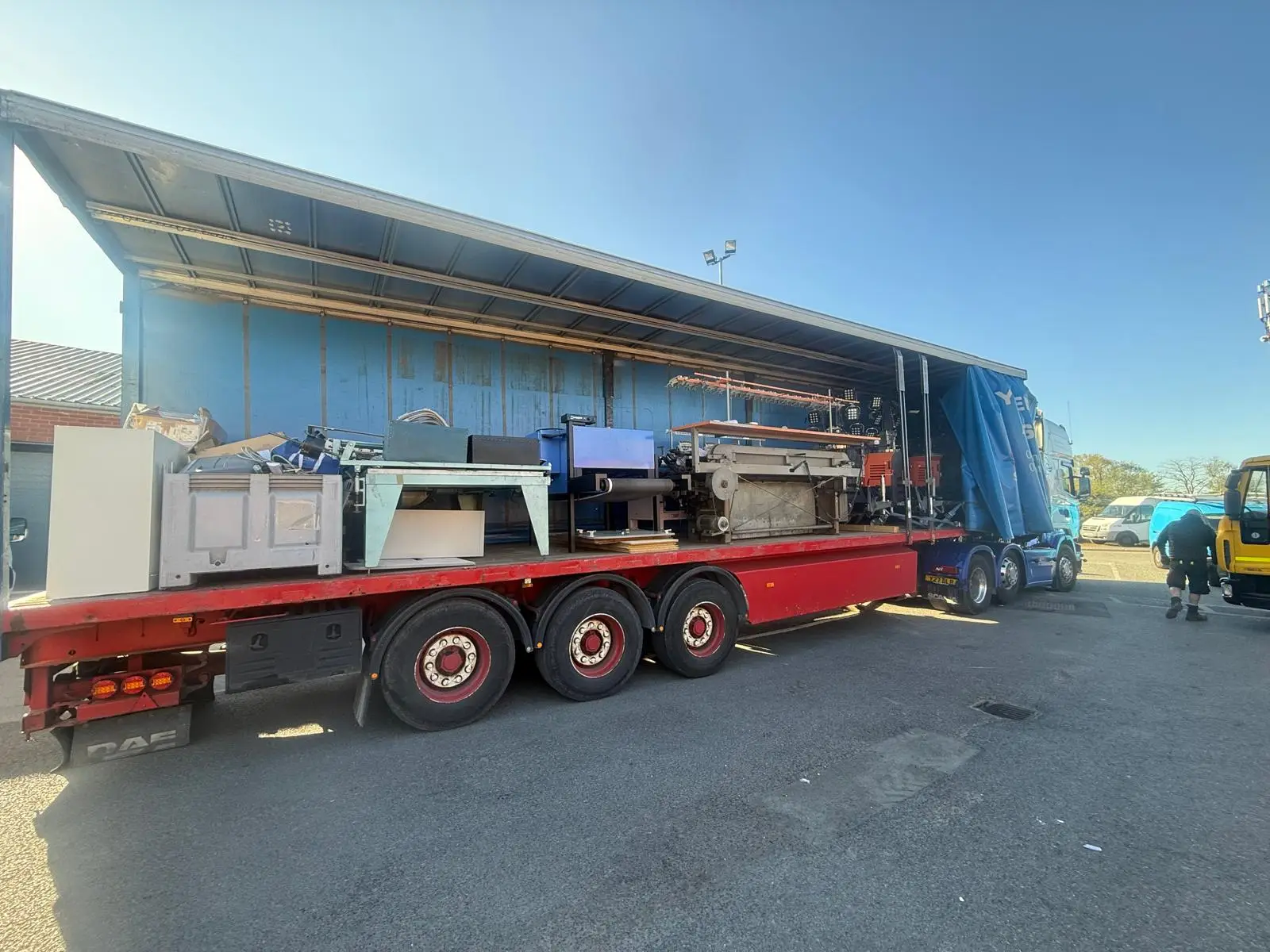
Factory clearance is the complete removal of machinery, equipment, stock and fittings from an industrial site, leaving the building empty and ready to hand back. It normally covers survey and valuation, safe isolation and decommissioning, dismantling, lifting and loading, compliant waste disposal, and a final clean down.
A proper industrial factory clearance ends with a site your landlord or buyer will accept, and the paperwork to prove everything was removed and disposed of correctly.
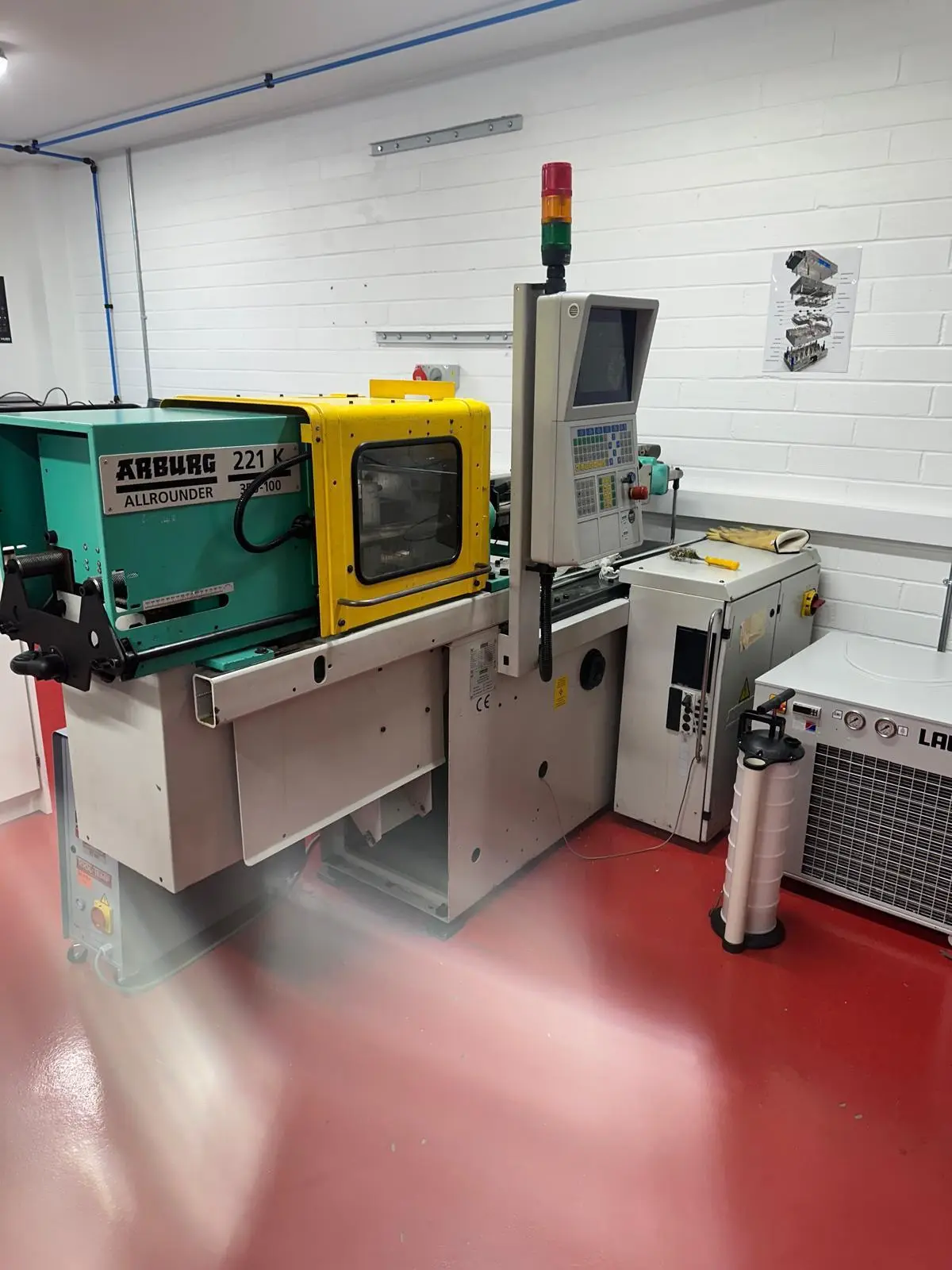
Most factory clearance enquiries start with a deadline someone else has set:
The pressure is usually the date, not the machinery. That’s the part we plan around first.
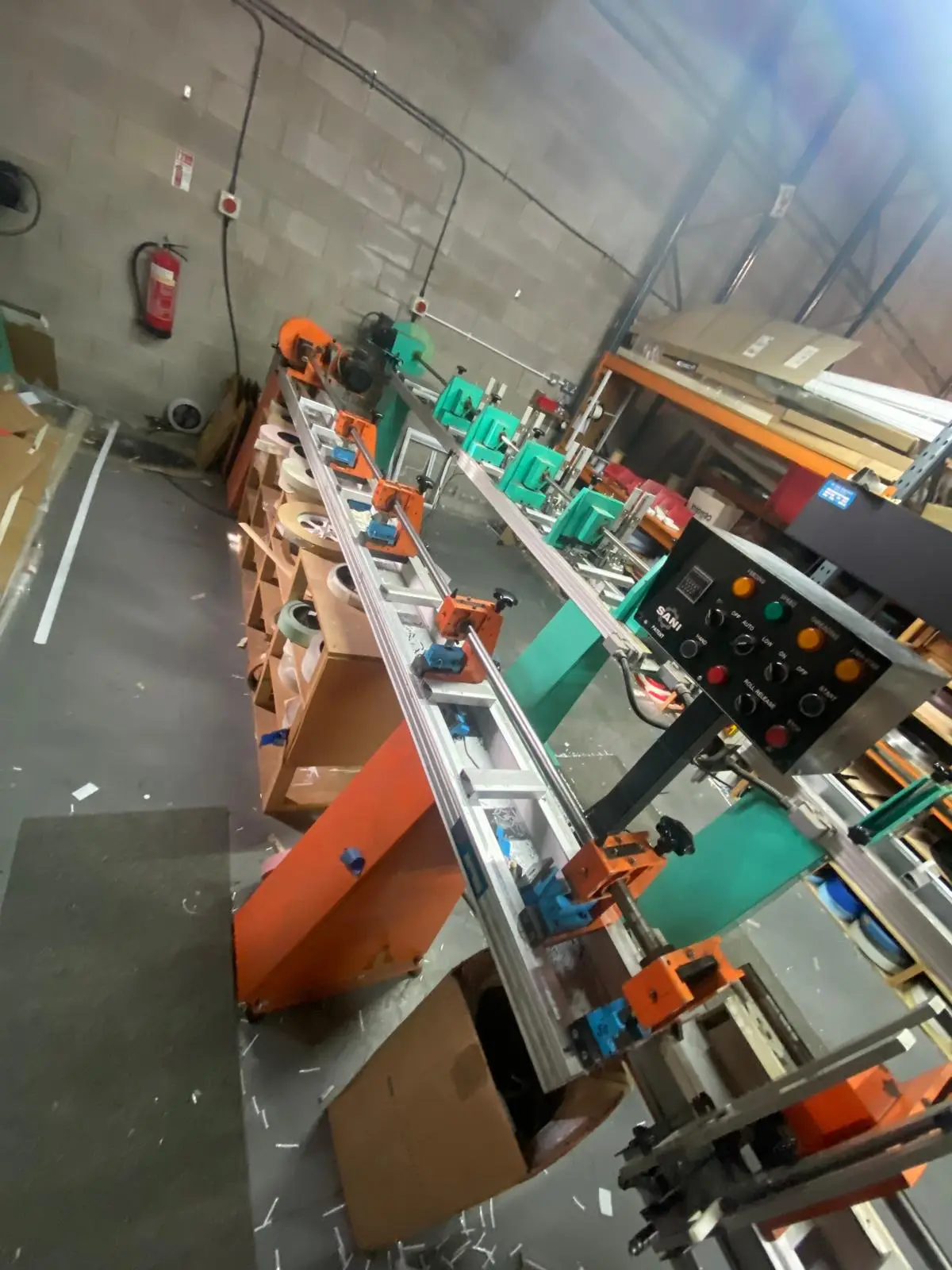
We walk the site, list what's there, and value the machinery and equipment before quoting anything.
Power, air, gas, water and any process services disconnected properly by competent people. Machinery decommissioning is where most clearance problems start, so it's where we spend the time.
Machines broken down where needed, skated, jacked and lifted using the right gear rather than whatever's on site.
Arranged and coordinated by us, including road closures or lifting permits where a machine needs them.
Full lines stripped in sequence, tagged and loaded so they can be rebuilt rather than sold as parts.
Benching, racking, mezzanines, tooling, consumables and office contents cleared alongside the machinery.
Anything without resale value handled under waste duty of care, with transfer notes provided.
Site left broom swept, with photographs and documentation for your records.
This is the part most people don’t expect.
A skip company or scrap merchant looks at your factory and sees weight. They price the job on disposal cost and pay you metal value for the machinery, which is usually a fraction of what the same equipment is worth to a working buyer.
We look at the same site and see resale value. A CNC machining centre, a press brake or a packing line in reasonable order is worth many times its scrap weight, and that value comes off the cost of the clearance.
In practice that means most jobs land in one of three places:
Asset value covers the removal and disposal work, and nothing changes hands.
Where the machinery is worth more than the clearance costs, the balance comes back to you.
On sites with little resale value, mostly waste, or difficult access, there's a cost. We tell you which of the three you're in before you commit to anything.
Usually a first and only closure, often confidential, and normally on a tight timetable. We work discreetly and keep the number of people on site to a minimum.
Fast asset realisation, defensible valuations, and full documentation for the file.
Corporate sites needing RAMS, insurance certificates and inductions before anyone comes through the gate. We supply all of it in advance.
Sites left behind by a previous tenant, cleared and returned to a lettable condition.
Clearing what isn't moving while production continues in the parts of the building still running.
Industrial clearance is regulated work, and this is where the difference between contractors shows up.
| Compliance Standard | Details & Obligations |
|---|---|
| Lifting operations | All lifting planned and carried out in line with LOLER, using inspected and certified equipment with trained operators. |
| Work equipment | Decommissioning carried out with PUWER obligations in mind, including safe isolation and stored energy release before anything is dismantled. |
| Method statements and risk assessments | Site specific RAMS produced for every job, supplied to you before work starts. |
| Waste duty of care | We're a licensed waste carrier. Everything leaving site that isn't being resold is tracked, with transfer notes issued to you. |
| WEEE and F Gas | Electrical and electronic equipment handled under WEEE. Refrigerant bearing plant such as chillers and compressors degassed by qualified engineers under F Gas rules. |
| Hazardous materials | Older buildings and plant sometimes contain asbestos or contaminated residues. We identify it at survey stage and bring in licensed specialists rather than working around it. |
We visit, list the assets, check access, note services and identify anything hazardous. Usually within a few days of your first call, and faster if the deadline is tight.
You get a written breakdown showing what we'll pay for the machinery, what the removal and disposal costs, and the net position. Plus a programme with dates.
Method statements, risk assessments, insurance certificates, lift plans and waste documentation prepared before anyone arrives. Inductions completed where your site requires them.
Isolation, dismantling, lifting and loading, worked in an agreed sequence. If you're still operating in part of the building, we phase it so production keeps running.
Final clean, photographs, waste transfer notes and completion documentation. Site handed back on the agreed date.
We clear sites across England, Scotland, Wales and Northern Ireland. Our teams travel, and transport is built into the proposal rather than added afterwards.
Regular clearance work covers the West Midlands, Greater Manchester, Yorkshire, the North West, the North East, the East Midlands, London and the South East, the South West, the Central Belt of Scotland, South Wales and Northern Ireland.
Before you commit to anything, you’ll have:
It’s the complete removal of machinery, equipment, stock and fittings from an industrial site, leaving the building ready to hand back. A full clearance covers valuation, safe isolation, dismantling, lifting, transport, compliant waste disposal and a final clean down, with documentation provided.
It depends entirely on what’s on site. The cost is offset by the resale value of your machinery, so a site with good equipment often costs nothing to clear. Sites that are mostly waste or have difficult access carry a cost. We survey first and quote a net figure.
Frequently, yes. Where the machinery and equipment are worth enough to cover the removal and disposal work, the job is cost neutral. On sites with strong assets, the balance is paid back to you. We tell you which position you’re in before you commit.
A small unit can be a few days. A mid sized factory usually runs one to three weeks. Large multi building sites take longer. Access, craneage and how much can run in parallel are the main factors, and we give you a programme with dates at proposal stage.
The whole site. Cherry picking the profitable machines and leaving you with the rest is the most common complaint we hear about other contractors. We quote on everything, including the items with no resale value.
Yes. Site specific RAMS, lift plans and insurance certificates are prepared before work starts and supplied to you or your facilities team. We complete site inductions where your procedures require them.
Regularly. We provide asset valuations that stand up to scrutiny, work to court or creditor deadlines, and supply full documentation for the file. Speed and defensible paperwork matter more than anything else on these jobs.
Yes. Phased clearance is common during relocations and consolidations. We agree a sequence that keeps your live areas running, work around shift patterns where needed, and isolate services machine by machine rather than shutting the building down.
Tell us the site, the deadline and roughly what’s in the building. We’ll arrange a survey, value the assets and give you a clear net position in writing.