There’s a moment in most factory clear outs where someone says “just weigh it in.” Sometimes that’s the right call. Often it isn’t, and the difference can be substantial.
This guide sets out how to tell which situation you’re in before the lorry turns up.
The Basic Difference
Scrap value is worked out on weight. A scrap merchant looks at your machine and sees a tonnage of steel and cast iron, priced per tonne at whatever the metals market is doing.
Resale value is worked out on capability. A machinery buyer looks at the same machine and sees production capacity that someone else can use.
That’s why a working machine and a seized machine of identical weight are worth roughly the same to a scrap buyer and very different amounts to a machinery buyer. The scrap price effectively ignores everything that makes the machine useful.
Six Signs Your Machine Is Worth Selling
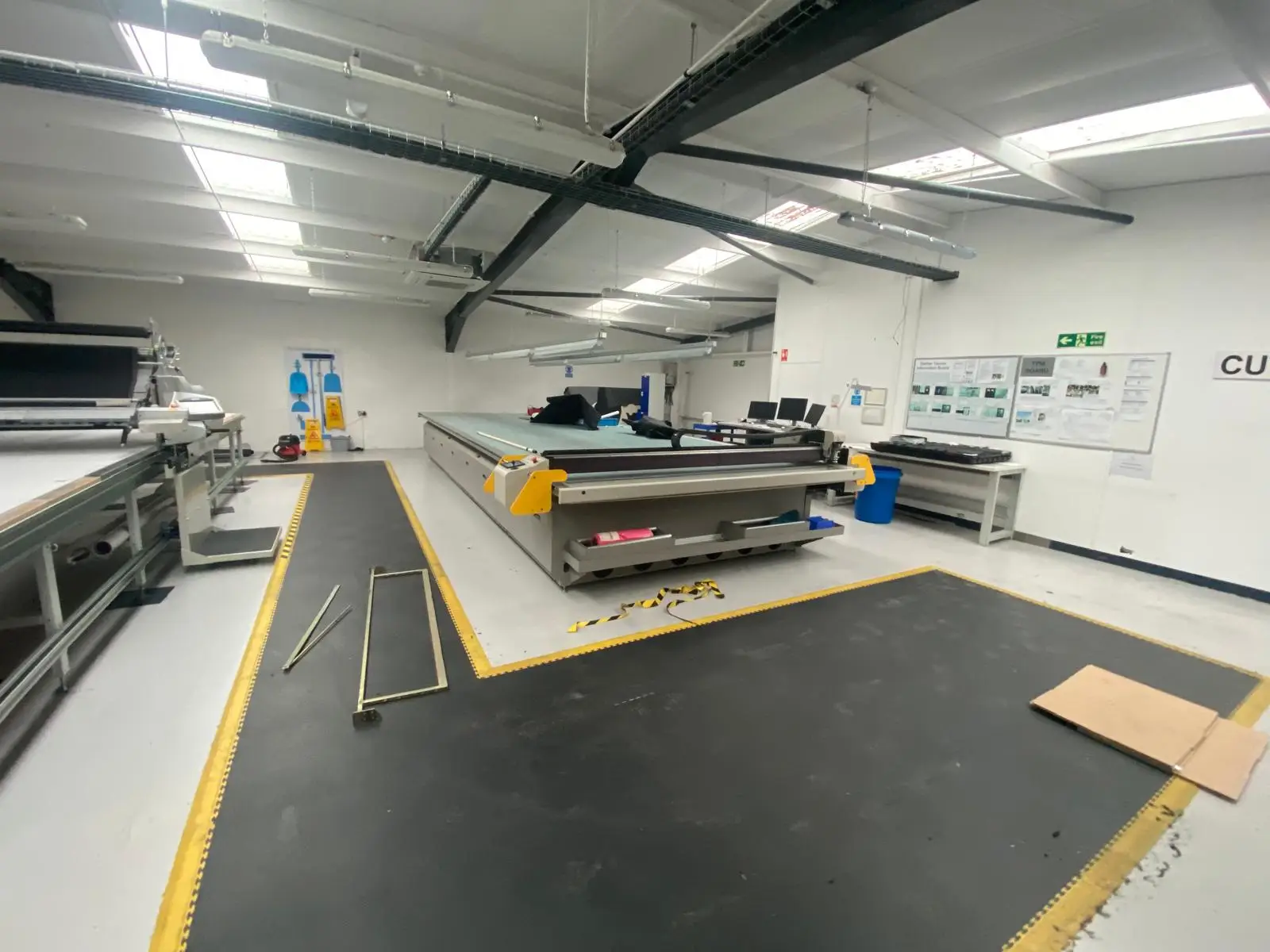
It still runs and holds accuracy. Working order is the biggest single factor. If it can be switched on and put through a cycle, it has a market.
It’s from a recognised maker. Names with ongoing parts and service support hold value long after the machine is fully written down.
The control is still supported. For CNC machinery, a supported control is often worth more than the mechanics. An unsupported or obsolete control drags the value down hard.
It’s under about 25 years old. Not a hard rule, and good machine tools regularly beat it. But it’s a useful first filter.
Comparable machines are still in production somewhere. If businesses are still using this model, there’s a buyer for it and a parts market behind it.
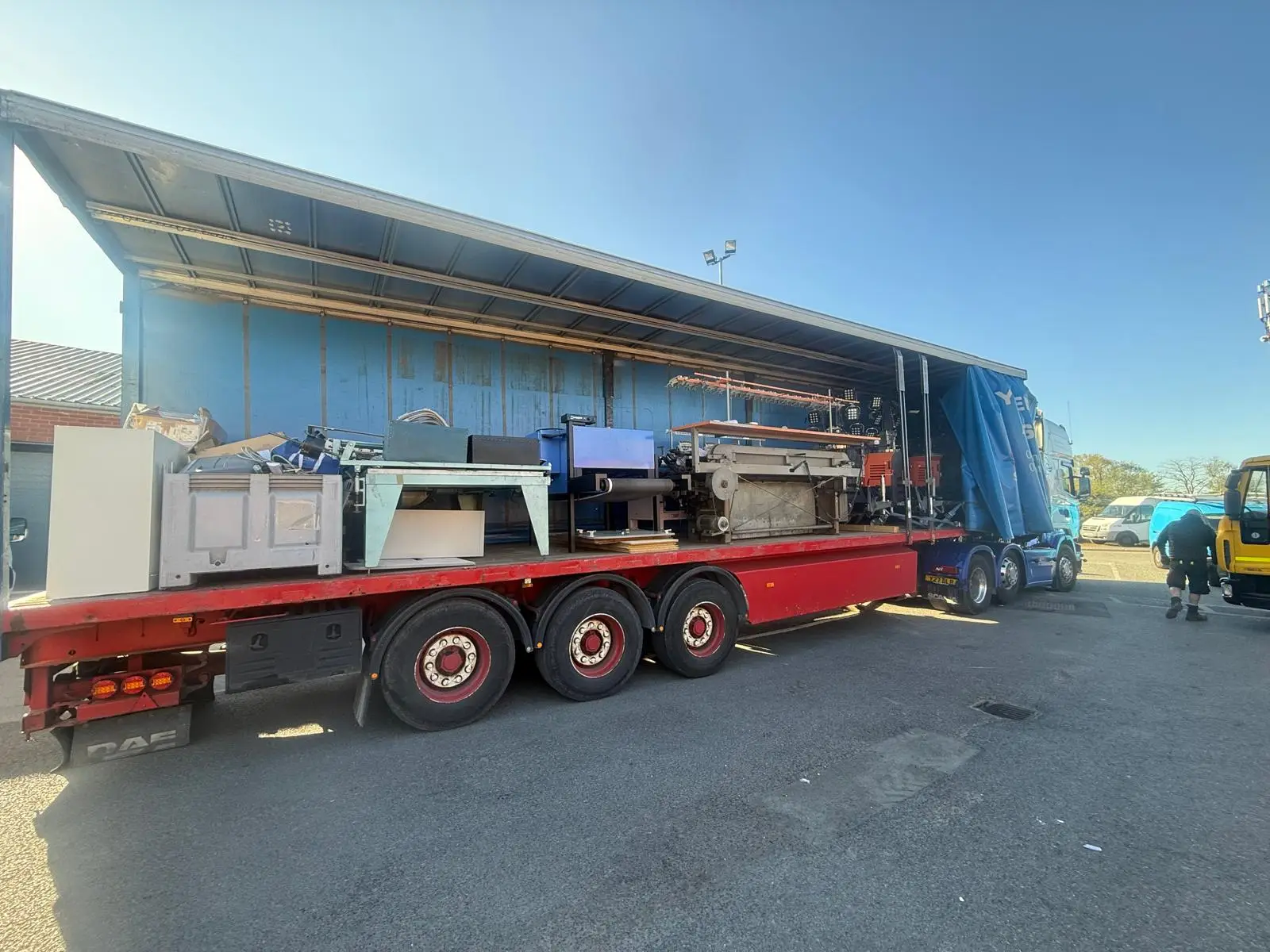
It’s accessible. A machine that can be removed with a forklift and a lorry is worth more to any buyer than the same machine on a first floor with no lift.
Five Signs Scrapping May Be the Right Call
Parts genuinely don’t exist. Not “hard to find,” but actually unavailable. Some manufacturers are long gone and nothing is interchangeable.
The control is dead and unsupported. A CNC machine with a failed obsolete control can cost more to make work than it will ever be worth.
It’s been outside. Weather kills machinery quickly. Rust in the ways, water in the electrics and seized components take most equipment past economic repair.
Structural damage. A cracked bed, twisted frame or major crash damage is usually terminal for value.
Removal costs exceed any realistic price. Occasionally a low value machine in a difficult position costs more to extract than anyone would pay for it. That’s a legitimate reason to weigh it in.
The Middle Ground People Miss
Plenty of machines fall between the two.
Parts value. Older machines from good makers get bought and stripped for components. Spindles, motors, controls, drives, tooling and castings all have a market, particularly where owners of similar machines are struggling to find spares.
Export. Equipment that’s considered outdated for UK production is often still perfectly viable elsewhere. Machines with plenty of life left regularly find buyers overseas, which is why a UK buyer with export channels can pay more than local resale alone would justify.
Working parts of a dead machine. A machine that’s finished as a unit may still carry a valuable tooling package, a good control, or a fitted rotary table worth more than the rest of it combined.
What It Costs to Find Out
Nothing, in most cases.
A machinery valuation is free from any reputable buyer, takes a few photos, and gives you a real figure. Compare that against the scrap price and you have an actual decision rather than a guess.
The cost of not checking is the part that stings. Weighing in a machine worth several thousand pounds for a few hundred is a mistake you only find out about later, usually when someone mentions what a similar one sold for.
[Internal Link: how much is your used machinery worth → /blog/how-much-is-used-machinery-worth-uk/]
Doing Both on the Same Site
On a full clear out you rarely have a single answer. A typical site splits three ways.
Machinery with resale value gets sold. Redundant metal, damaged plant and general steel goes for scrap. Waste and non recyclable material goes for compliant disposal with transfer notes.
A good clearance contractor handles all three and gives you a net position, so the value of the resaleable machinery offsets the cost of removing everything else. That’s usually a better outcome than calling a scrap merchant for the lot.
Frequently Asked Questions
Is it better to sell machinery or scrap it? Sell it if the machine still works, comes from a recognised maker, and can be removed reasonably. Scrap it only if it’s beyond economic repair, parts don’t exist, or removal costs more than any buyer would pay. Get a valuation first, since it costs nothing.
How much is scrap machinery worth per tonne? Scrap prices move with the metals market and vary by grade and location, so any figure quoted today may be different next month. Your local scrap merchant can give you a current rate. The key point is that it’s based on weight, not on whether the machine works.
Do machinery buyers take broken machines? Often, yes. Non working machines are priced on repair cost against value once running, and many still hold worth for parts or export. Send the details before assuming a broken machine is only good for scrap.
Can I sell machinery that’s been outside? It depends how long and how bad the corrosion is. Weather damage moves machines toward scrap faster than almost anything else. A few weeks under a sheet is usually recoverable. A few years in the open normally isn’t.
What if some machines are worth selling and others aren’t? That’s the normal position on a full site. The usual approach is one contractor who buys the resaleable machinery and clears everything else, with the asset value offsetting the removal and disposal cost.
How quickly can machinery be collected? Once a price is agreed, straightforward single machines can often be collected within days. Larger packages and full sites take longer to plan, particularly where craneage or road access needs arranging