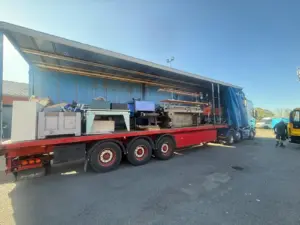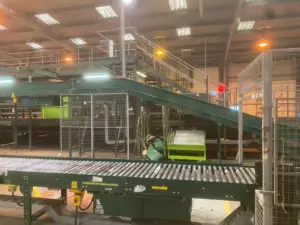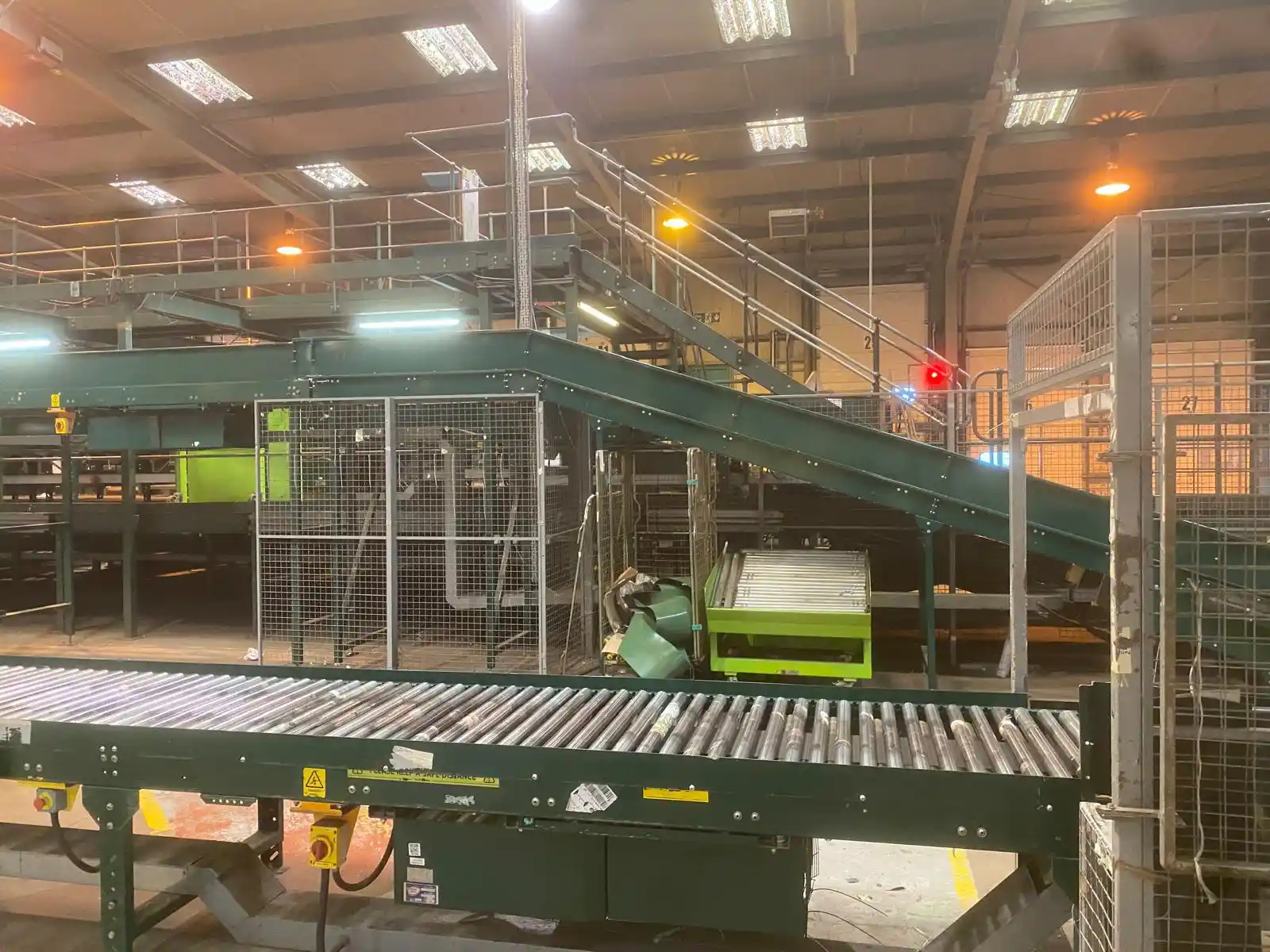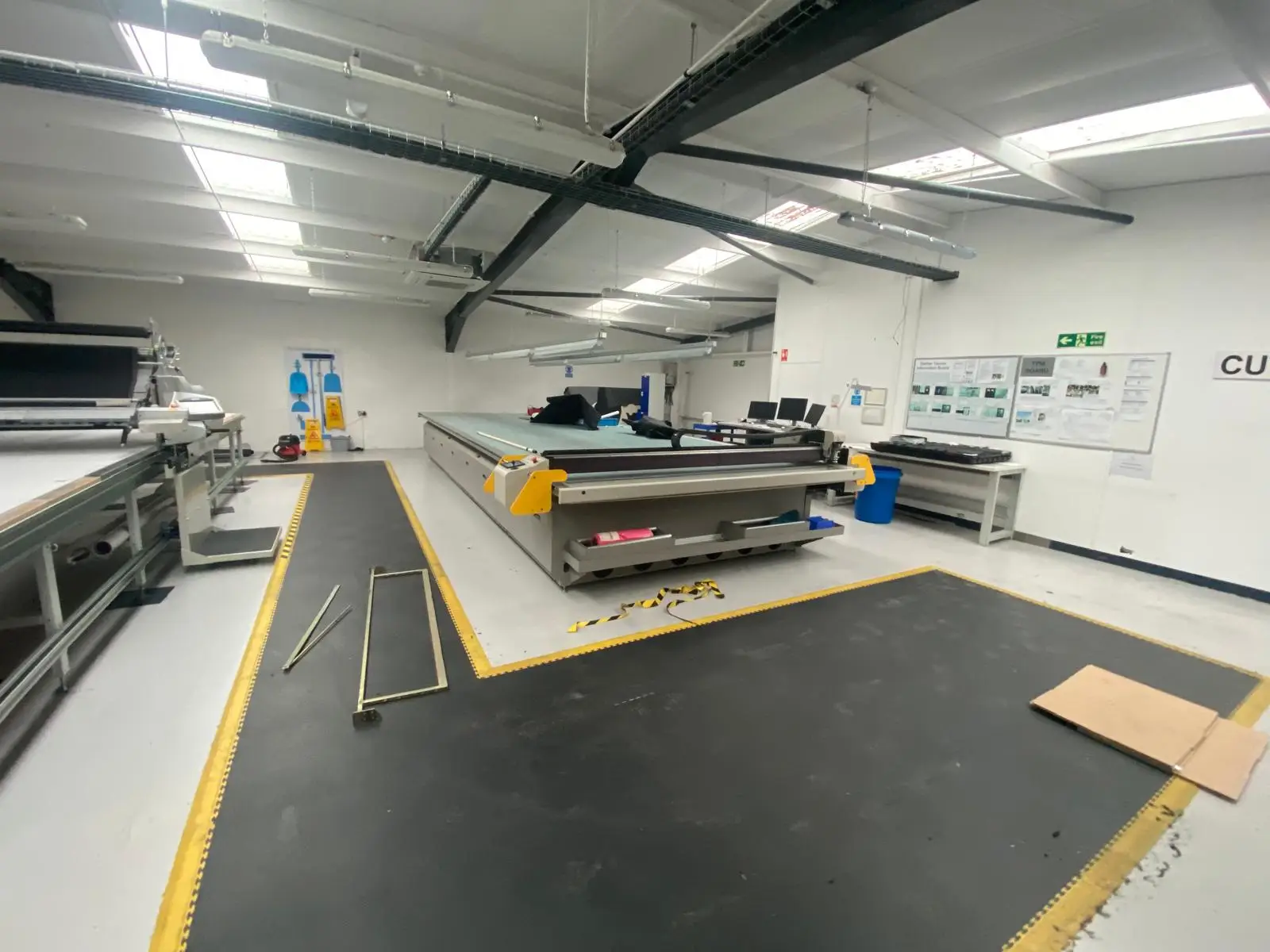
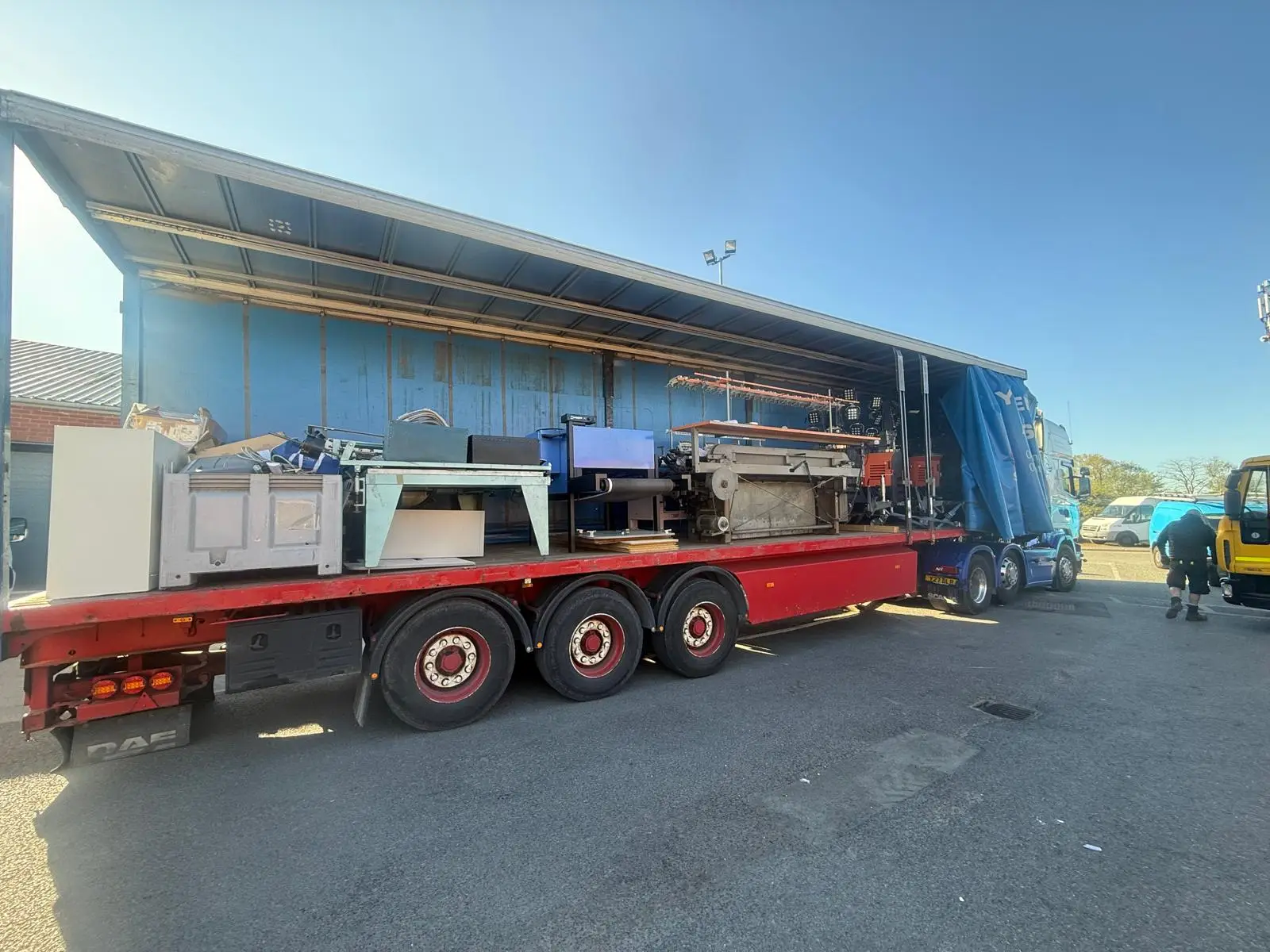
Closing a site is a project with a hard deadline, and machinery is usually the part that gets left until last. It shouldn’t be. On most closures the equipment represents both the largest recoverable value and the biggest risk of missing your handover date.
This checklist works backwards from the date you have to hand the building over.
Start With the Date, Not the Machines
Everything else follows from your handover deadline.
Find the date in your lease or sale agreement, then work back. A small unit might need three or four weeks. A mid sized factory usually needs one to three weeks of clearance work plus planning time before it. Large or multi building sites need considerably longer.
Add contingency. Craneage gets booked out, road closures need notice, and asbestos surveys can hold everything up if something turns up unexpectedly.
The practical rule: start the machinery conversation at least three months before handover on anything larger than a single unit. Earlier if you have a production line or need road closures.
Three to Six Months Before Handover
Read the lease properly
Find the dilapidations clause and the yield up provisions. These set out what condition the building has to be in when you hand it back.
The parts that catch people out are obligations to remove fixtures, make good floors where machines were bolted down, reinstate services, and remove any alterations made during the tenancy. Machine bases, drainage, extraction and three phase installations often count.
Talk to your surveyor early. A dilapidations claim after handover costs a lot more than doing the work in the programme.
Get the machinery valued
You need a real number before you can plan anything else. That figure affects whether the clearance costs you money, breaks even, or pays you back.
Book valuations while everything is still in place and running. A machine that’s been switched off for six months is harder to value and worth less than the same machine demonstrated under power.
Work out what’s leased or financed
Anything on hire purchase, lease or finance isn’t yours to sell. Check the agreements, identify what has to be returned or settled, and deal with those separately.
This is one of the most common causes of delay in the final week of a clearance.
Decide what’s moving with you
If you’re relocating rather than closing, split the list early. What goes, what gets sold, what gets scrapped. That decision drives the entire removal programme.
Two to Three Months Before
Get clearance quotes
Ask for a written net position, not a headline figure. That means what the contractor will pay for the machinery, what removal and disposal will cost, and the resulting balance.
Compare on net, not on gross. And check what’s included, since removal, waste disposal, final clean and making good are sometimes quoted separately.
Book a survey
A proper contractor will want to walk the site before quoting. That visit covers asset listing, access routes, weights, services, floor loadings and anything hazardous.
If someone quotes without visiting a site of any size, treat the number carefully.
Check for hazardous materials
Older buildings and plant can contain asbestos, contaminated residues or refrigerant gases. Refrigerant bearing equipment such as chillers and compressors has to be degassed by qualified engineers under F Gas rules before disposal.
Finding this out at survey stage is a planning issue. Finding it out mid clearance is a delay and a cost.
Tell your insurer
Cover on an empty or partially cleared building often differs from cover on a trading site. Check the position before machines start leaving.
One Month Before
Confirm the programme and paperwork
You should have method statements, risk assessments, lift plans and insurance certificates in hand before anyone starts. If your site requires inductions or permits to work, arrange them now.
Sort the documentation
Gather manuals, service records, test certificates, LOLER inspection reports for lifting equipment, and any CE or UKCA documentation. These add value to the machinery and some of them you’re required to pass on.
Plan the sequence
Which machines come out first matters more than people expect. Access routes get blocked, and a machine that has to travel past three others needs those moved first.
If you’re still producing in part of the building, agree the phasing so the live areas keep running.
Tell your team
Closures are sensitive and people usually know something is happening before they’re told. Handle the announcement your own way, but the practical point is that machine operators know things about the equipment that nobody else does. Their input helps the removal go smoothly.
The Final Weeks
Keep machines powered until they’re valued and photographed
A demonstrated machine is worth more than a cold one. Don’t disconnect anything until the buyer has what they need.
Don’t strip the tooling
Chucks, collets, vices, fixtures, tool holders and spares are part of the value. If you’re keeping any of it, agree that before the price is set rather than after.
Empty coolant, oils and consumables properly
These are controlled wastes. They need disposing of under duty of care with transfer notes, not tipping down a drain.
Keep the paperwork
Waste transfer notes, sale invoices, weighbridge tickets and handover photographs. You’ll want all of it if there’s a dilapidations dispute later, and your accountant will need the disposal records.
After the Machinery Has Gone
Make good the floors where machines were bolted or grouted in. Cap off or reinstate services as the lease requires. Get the site cleaned to whatever standard the agreement specifies.
Then photograph everything on handover day and get the landlord or agent to sign off in writing. That signature is worth having.
If the Closure Is Insolvency Related
The process is broadly the same, but the priorities shift.
Valuations need to be defensible, since realisations can be questioned by creditors. Timescales are usually set by the appointment rather than by a lease. And documentation matters more, because everything goes on the file.
If an insolvency practitioner is appointed, they take control of the assets and the sale process. Directors shouldn’t be disposing of machinery once that’s happened.
[Internal Link: machinery disposal for insolvency practitioners → /insolvency-practitioners/]
Frequently Asked Questions
What should I do with machinery when my factory closes? Get it valued while it’s still installed and running, check what’s leased or financed, then decide between selling to a direct buyer, auction, or a full site clearance. Start at least three months before your handover date so removal fits inside the programme.
How long before closure should I start dealing with the machinery? Three months minimum for anything bigger than a single unit, and longer for multi building sites or production lines. Craneage, road closures, asbestos surveys and lift planning all need lead time, and they’re the things that push handover dates.
Who is responsible for removing machinery at the end of a lease? Normally the tenant, under the dilapidations and yield up clauses. That often includes making good floors, removing bases and reinstating services. Check the exact wording with your surveyor, because obligations vary considerably between leases.
Can I sell machinery that’s on finance or lease? No, not without settling the agreement or getting the finance provider’s consent. Identify anything on hire purchase or lease early and handle it separately. This is a common cause of last minute delays.
Should I switch the machines off before valuation? No. A machine demonstrated running is worth more and easier to price than a cold one. Keep everything powered and accessible until the valuation and photographs are done.
Does factory clearance cost money? It depends what’s on site. Where the machinery has good resale value, the clearance is often cost neutral or pays you a balance. Sites that are mostly waste or have difficult access carry a cost. A survey gives you the net position before you commit.
What documents do I need to keep after clearance? Waste transfer notes, sale invoices, weighbridge tickets, handover photographs and any signed landlord acceptance. Keep them for your records and for your accountant, and in case a dilapidations claim appears later.
Getting the Machinery Part Sorted Early
Of everything on a closure programme, machinery is the item most likely to slip and the one most likely to be worth real money. Dealing with it early gives you a number to plan around and takes the biggest variable off the critical path.
If you want a valuation and a clear net position for your site, a survey costs nothing and gives you something firm to work with.