Ask three people what a used machine is worth and you’ll get three answers. Your accountant will quote the written down value. A scrap merchant will quote weight. A dealer will quote what they think they can sell it for next month.
Only one of those is the real number.
If you’re trying to work out how much your used machinery is worth before you sell it, this guide covers what actually sets the price in the UK market, what you can influence, and what you can’t
The Short Answer
A used machine is worth what a working buyer will pay for it this month. That figure is set by age, make, condition, running hours, service history, tooling, current demand for that machine class, and how difficult it is to get out of your building.
Nothing more scientific than that. There’s no official price book for industrial machinery, which is exactly why the numbers people quote vary so widely.
Why Book Value Is Almost Never the Real Value
This trips up more sellers than anything else.
The figure in your accounts is a depreciation calculation. It was decided years ago based on an accounting policy, not on what anyone would actually pay. Some businesses write machinery down over five years, others over ten. Neither has anything to do with the second hand market.
We regularly value machines that appear in the accounts at zero. A fully written down machining centre with 12,000 spindle hours still has a real market value if it holds tolerance and the control is supported. Equally, a machine carrying a healthy book value can be nearly unsaleable if the make has vanished or nobody can get parts.
Treat book value as an accounting record. Treat market value as a separate question with a separate answer.
The Eight Factors That Set the Price
1. Age and year of manufacture
Age sets the starting band, but it matters less than people expect once a machine is past about eight years old.
Machinery depreciation is steepest early. A machine loses a significant chunk in its first year or two, then the curve flattens and it settles into a long plateau where value drops slowly. That plateau is where most of the used market trades.
The practical result is that the difference between a 2018 machine and a 2015 machine is often much smaller than the difference between a 2024 machine and a 2022 one.
2. Make
Brand is the single biggest multiplier on older machines.
Names like Mazak, DMG Mori, Okuma, Haas, Trumpf and Amada hold value because parts and service support stay available for decades. A twenty year old Colchester lathe from a respected maker will often beat a ten year old budget import in both price and speed of sale.
The reason is simple. Buyers of used machinery are buying production capacity, and production capacity is worthless if the machine goes down and no one can fix it.
3. Condition and accuracy
Working order is the dividing line. A machine that runs and cuts accurately sits in a completely different price band to one that’s seized, crashed or missing components.
For machine tools, accuracy matters more than cosmetics. Chipped paint costs you almost nothing. Worn slideways, a crashed spindle or a control that throws faults will cost you a lot. Buyers will always take a tidy machine that works over a repainted one that doesn’t.
4. Running hours
Spindle hours on a CNC machine, or engine hours on plant, are the clearest measure of what’s left in the machine.
Hours are also harder to argue with than a general description of condition. If you can pull an hours reading off the control, do it before you ask for a valuation. It usually speeds the whole process up.
5. Service history
Documented maintenance genuinely adds money. Not a huge amount, but enough to be worth digging the file out.
Service records tell a buyer the machine was looked after and that any known problems were dealt with properly. On higher value equipment, a full history can be the difference between a firm offer and a request to inspect first.
6. Tooling and accessories
This is the one sellers get wrong most often.
Chucks, collets, vices, fixtures, tool holders, cutters, spare parts and original manuals all add real value. On some machines the tooling package is worth a meaningful share of the total figure.
Don’t strip the machine before you ask for a price. If you plan to keep the tooling, say so upfront so the valuation reflects it. Selling a lathe without its chucks and steadies makes it worth noticeably less to the next user.
7. Market demand
Sector cycles move values month to month.
When new machine lead times stretch out, used values firm up because buyers need capacity now rather than in nine months. When a sector slows down and lots of similar machines hit the market at once, values soften.
This is why a valuation from two years ago is not much use today, and why we won’t quote off an old figure.
8. Access, weight and transport
The last factor catches people out.
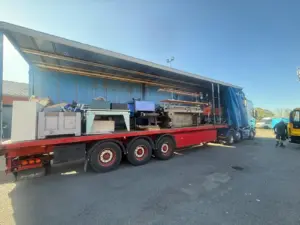
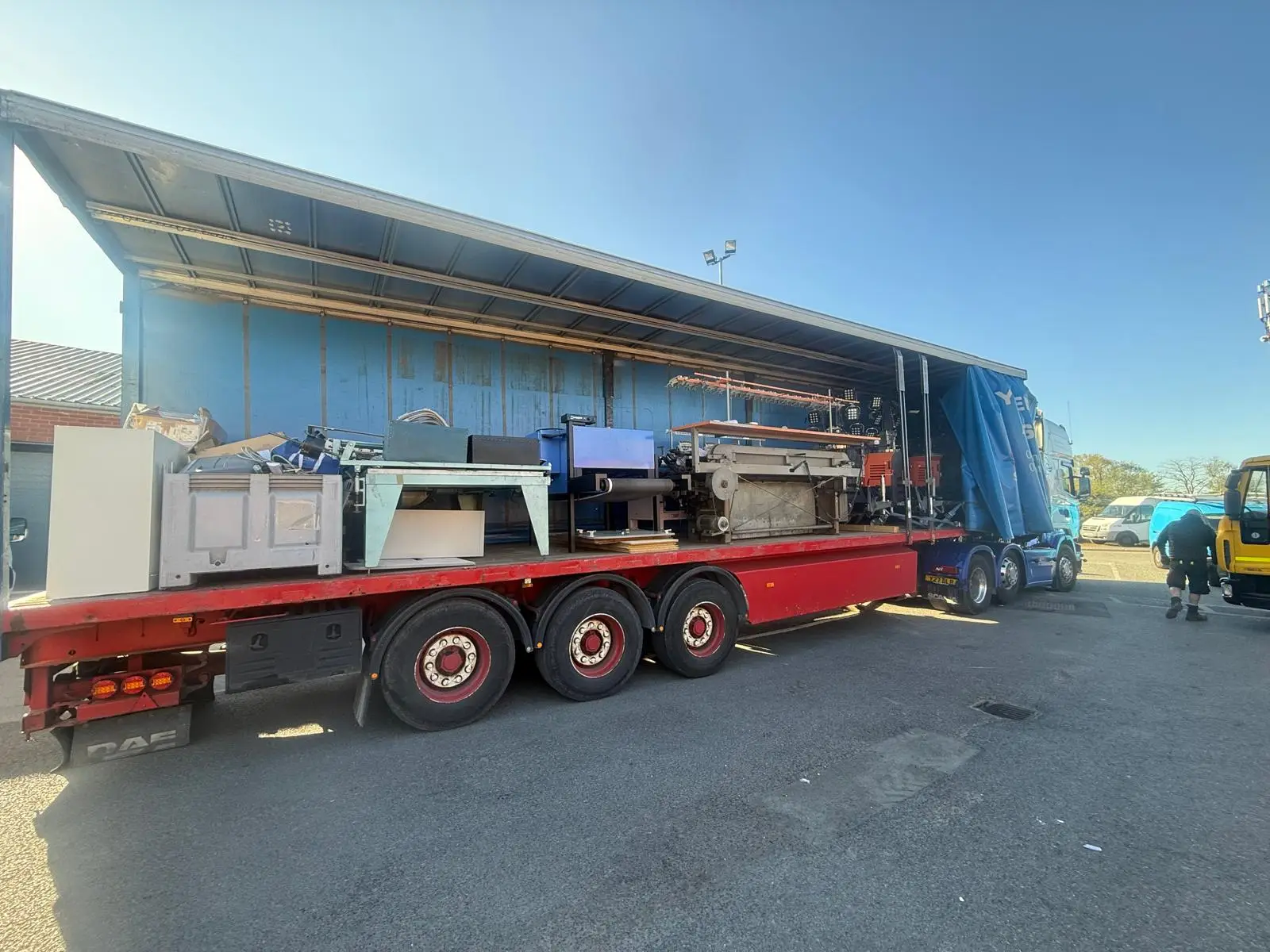
A machine on the ground floor next to a roller shutter with hard standing outside is cheap to remove. The same machine on a first floor, through a narrow doorway, in a shared yard with restricted access hours, is expensive.
That cost comes out of the total value of the deal. It doesn’t reduce what the machine is worth in the abstract, but it does reduce what any buyer can net you. Mention access problems at the start rather than on collection day.
Why Working Machines Should Rarely Be Scrapped
Scrap value is calculated on weight. Resale value is calculated on what the machine can still produce.
Those two numbers are usually a long way apart on anything that runs. We’ve seen machines weighed in for a few hundred pounds that would have sold for many times that to a working buyer, simply because nobody asked before the lorry arrived.
There are genuine cases where scrapping is the right call. If the machine is obsolete, the control is dead and unsupported, parts don’t exist, and removal costs more than the machine is worth, then weighing it in is sensible. But that decision should come after a valuation, not instead of one.
What About Machines That Don’t Work?
Non working machines still have value more often than people assume.
They’re priced on what repair realistically costs against what the machine is worth once it’s running. A machine with a failed control might be a straightforward fix for someone with the right spares. A machine with a crashed spindle and damaged ways is a much harder proposition.
There’s also a spare parts market. Older machines from good makers get bought and broken for components, particularly where a spare parts shortage exists on a model still in service. And export markets often take equipment that’s considered past it in UK production.
So send the details before you write anything off.
How to Get an Accurate Valuation
Whoever you ask, they’ll need the same basic information:
- Make and model
- Year of manufacture
- Running or spindle hours
- Whether it’s currently working
- Photos of the machine, the data plate and the control
- What tooling and accessories are included
- Where it is and what the access is like
A short video of the machine running is worth more than all of the above put together. Ten seconds of the spindle turning tells an experienced valuer more than a page of description.
Be honest about faults. A valuation based on a rosy description gets revised downward at inspection, which wastes everyone’s time. Tell the buyer about the fault and get a firm number you can rely on.
Getting a Second Opinion
There’s nothing wrong with getting more than one valuation, and any honest buyer will tell you the same.
What’s worth watching for is the pattern where one figure comes in noticeably higher than the rest. Occasionally that’s a buyer who genuinely has an end user waiting. More often it’s a number designed to win the job, which then gets adjusted once the machine is being loaded.
Ask whether the offer is firm and what would change it. A buyer who commits in writing and explains their reasoning is usually more reliable than one who simply quotes the biggest number.
Frequently Asked Questions
How much is my used machinery worth? It depends on age, make, condition, running hours, service history, tooling and current demand for that machine class. There’s no fixed price guide for industrial machinery. A free valuation based on photos and specifications will give you a real figure in a day or two.
Is book value the same as market value? No. Book value is a depreciation figure from your accounts based on an accounting policy. Market value is what a buyer will pay today. Fully written down machines often still have significant market value, and the two numbers are rarely close.
Does age matter more than brand? Brand usually matters more on older machinery. A well made machine from a respected manufacturer holds value because parts and service stay available. Age sets the starting point, but make, condition and hours move the figure far more once a machine is past its first few years.
Should I service or repaint my machine before selling?
Repainting adds almost nothing and can make buyers suspicious about what’s underneath. A genuine repair that returns the machine to working order usually does pay for itself, because working and non working sit in very different price bands. Ask before you spend anything.
Do I get more if I include the tooling?
Yes, normally. Chucks, collets, vices, fixtures, tool holders and manuals all add value, sometimes a meaningful amount. If you want to keep the tooling, say so before the valuation so the figure reflects what’s actually being sold.
How long does a valuation take?
With photos and specifications, straightforward machines are usually priced within [24 to 48 hours]. Unusual equipment or full site packages take longer, and sometimes need a visit before anyone can commit to a firm number.